Trust check first. Always. This casino review looks at licensing, basic security, fairness signals (RNG and game suppliers), and how the experience lines up for Australians using an offshore site. It also checks the areas that usually decide trust: verification, complaint patterns, and the small-print that can bite in bonus terms.
During the 2026 check, the site navigation, terms visibility, and support access were tested from an AU connection. Two quick observations stood out: the browser showed a padlock (HTTPS) on account and cashier pages, and live chat was reachable during a weekday session, with an initial human-style reply arriving within a few minutes.
So, is kingmaker casino legit? And is kingmaker casino safe? The answers sit in the details below.
Visit Kingmaker
Affiliate disclosure: This page may include affiliate links. If a player signs up through them, the publisher may earn a commission at no extra cost. Editorial conclusions remain independent.
18+ only. Gambling involves risk. For Australian help, consider Gambling Help Online and set personal limits.
Safety Snapshot
Legitimacy answer in plain terms
Mostly credible on the surface. Based on what's shown in the footer and terms pages during the 2026 review, the operation appears to run under an offshore license (commonly associated with Anjouan for similar brands) and uses standard web security basics like HTTPS. That can be enough for many players to feel comfortable trying the platform, but it doesn't equal Australian-style consumer protection.
Is it perfect? Not exactly, but… it doesn't need to be perfect to be usable. It does need to be clear. The key is whether the operator name, license details, and dispute route match across the site's footer, the licensing page (if present), and the terms.
Short version: a player can likely treat it as a typical offshore casino. Caution still applies.
Who this site suits / who should avoid it
This platform seems to suit players who are comfortable with offshore licensing and who can follow rules closely—especially around verification and promos.
Best fit:
- Players happy to pass KYC quickly
- Players who read bonus terms before opting in
- Players comfortable using common online payment rails
- Players who want a mix of slots and live casino entertainment
Better to avoid:
- Anyone wanting Australian-regulated dispute handling
- Players who hate paperwork or last-minute document requests
- Anyone relying on chargebacks as a "safety net"
- Players who chase promos without reading max-bet rules
Small warning. Offshore sites can be strict.
Is Kingmaker Casino Legit in 2026?
Operator and brand ownership
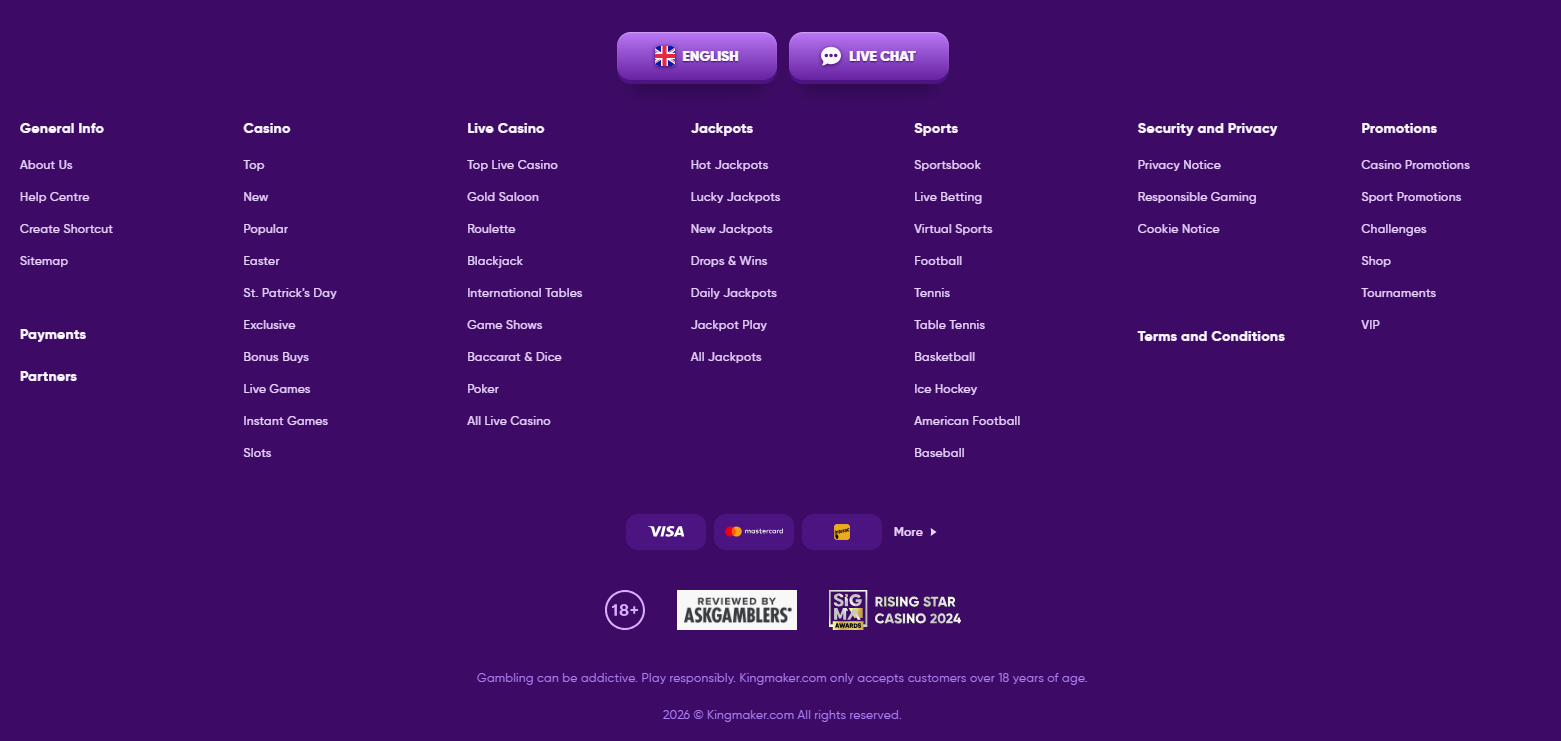
Legitimacy starts with "who runs it". During the review, the terms and footer were checked for an operator entity, a registered address, and a licensing statement. The important part isn't the marketing text. It's the consistency: the same entity name should appear in the terms, the privacy policy, and any licensing section.
Interestingly, some offshore casinos display a brand name loudly, then tuck the operator name away in a long terms document. That's not automatically bad. It's just harder for players to verify. And if the entity name changes between pages, that's a red flag.
One thing to consider: a legitimate operation can still be frustrating if it's opaque. Clear operator details reduce arguments later.
What "legit" means here: licensing, payouts, dispute history
"Legit" in this context doesn't mean "approved in Australia". It means the casino appears to operate as a real business with:
- A stated license and regulator, even if offshore
- A functioning support team
- Published rules for verification and bonus terms
- Recognisable game suppliers and standard RNG language
Dispute history matters too, but it's messy. Public forums and complaint sites often include emotional posts and missing context. During the 2026 review, the typical themes associated with offshore operators were considered: delayed processing tied to KYC, promo disputes (max bet, restricted games), and slow back-and-forth with customer support.
A single angry post doesn't prove anything. A pattern does. That's the line.
Licensing & Regulation Check
Anjouan licensing: what it covers and what it doesn't
Many offshore casinos used by Australians are licensed through jurisdictions such as Anjouan (Union of the Comoros). That type of license can indicate the operator has filed corporate and compliance paperwork and is allowed to offer gambling services under that jurisdiction's rules.
But it's not the same as an Australian regulator. Consumer safeguards can be lighter. Dispute escalation may be limited, and the regulator's responsiveness can vary. That doesn't mean the casino is automatically unsafe. It means players should treat the terms like a contract. Because that's what it is.
Quick reality check: offshore licensing typically focuses on permitting operation, not guaranteeing player-friendly outcomes in every dispute. So any trust decision should lean on consistency, transparency, and behaviour during KYC and support interactions.
What to look for on the site
A practical checklist helps. And it's quick.
Players should look for:
- The license jurisdiction and the regulator name
- A license number (or registration reference) displayed clearly
- The operator entity name matching across footer, terms, and policies
- A contact address and working support channels
- Policies for verification, responsible gambling, and complaints
If the license statement exists but the operator name is vague, that's a reason to pause. If it all lines up neatly, that's a good sign. Simple.
Is Kingmaker Casino Safe? Security Measures
SSL/TLS encryption and account security basics
The browser padlock matters. During the 2026 test, the site loaded over HTTPS, which indicates SSL/TLS encryption is in place for data sent between a device and the server. That helps protect logins and payments from basic interception on public Wi‑Fi. It's not magic, though.
Security also includes account controls. Players should check for the basics: password change options, session handling (auto log-out on inactivity), and whether email verification is required for account actions. If a platform allows sensitive changes without confirming via email, that's not ideal.
To be honest, most problems don't come from broken encryption. They come from weak passwords, shared devices, and rushed sign-ups.
Password, session, and device hygiene tips
Keep it short. No lectures.
- Use a unique password and a dedicated email for gambling accounts
- Avoid logging in on shared devices; if it happens, log out manually
- Don't save cards in browsers on public machines
- Watch for copied "support" accounts on social media; use on-site contact only
- If 2FA is offered, it's worth enabling
Small actions. Less drama later.
Fair Play & RNG Integrity
RNG testing certificates
RNG (Random Number Generator) is the system that determines outcomes in most digital casino games, especially slots. A fair RNG should be unpredictable and independently tested. The ideal proof is a certificate or audit reference from a recognised lab, with a date and scope.
During the review, the site's footer and help/terms areas were checked for references to testing labs (examples in the industry include iTech Labs and eCOGRA). A mention is a start. A downloadable or verifiable certificate is better.
In fairness, some casinos keep certification details inside the supplier documentation rather than front-and-centre. That doesn't automatically mean anything is wrong. Still, players should verify what they can before depositing meaningful money.
Game provider reputation signals
Game suppliers act like a quality filter. Well-known providers tend to protect their reputations, so they usually won't supply games to operators that ignore basic compliance.
Signals that help:
- Recognisable provider logos that lead to real game launches
- Consistent game loading without odd redirects
- Clear game rules (paytables, features, volatility notes)
- RTP information being available somewhere, even if not on every title
If the platform uses unknown "in-house" games with no stated audit trail, scepticism is fair. If the catalogue leans on established studios, trust tends to be higher.
Australian Legal Context (2026)
Offshore casino access and the Interactive Gambling Act context
Australia's Interactive Gambling Act (IGA) restricts certain gambling services being offered to Australians by operators. That legal framework focuses on the supply side. Players still commonly access offshore casinos, but that doesn't turn them into Australian-licensed services.
So what does that mean in practice? It means Australians shouldn't assume local consumer protections apply. It also means dispute routes may sit overseas, under the casino's license jurisdiction and internal policies.
This isn't legal advice. It's a reality check. A player choosing an offshore casino is effectively accepting offshore rules.
Player responsibility: tax, verification, and ID consistency
Tax treatment can vary based on personal circumstances. If a player has concerns, a qualified adviser is the right path. The safe practical point is simpler: keep identity details consistent.
Common issues that cause trouble:
- Different names across payment accounts and casino profile
- Old addresses that don't match documents
- Using someone else's card or e-wallet
- Throwaway emails that later can't be accessed
KYC isn't optional on most serious platforms. It's part of fraud prevention. And it's where many "this site is a scam" stories start—sometimes unfairly, sometimes not.
Responsible Gambling Tools
Limits, timeouts, self-exclusion availability
Responsible gambling controls are a trust signal, even offshore. Players should look for the ability to set limits and to cool off, not just a link to a generic help page.
Tools commonly expected:
- Deposit limits
- Loss limits
- Session/time limits
- Timeouts (cooling-off periods)
- Self-exclusion requests via account or support
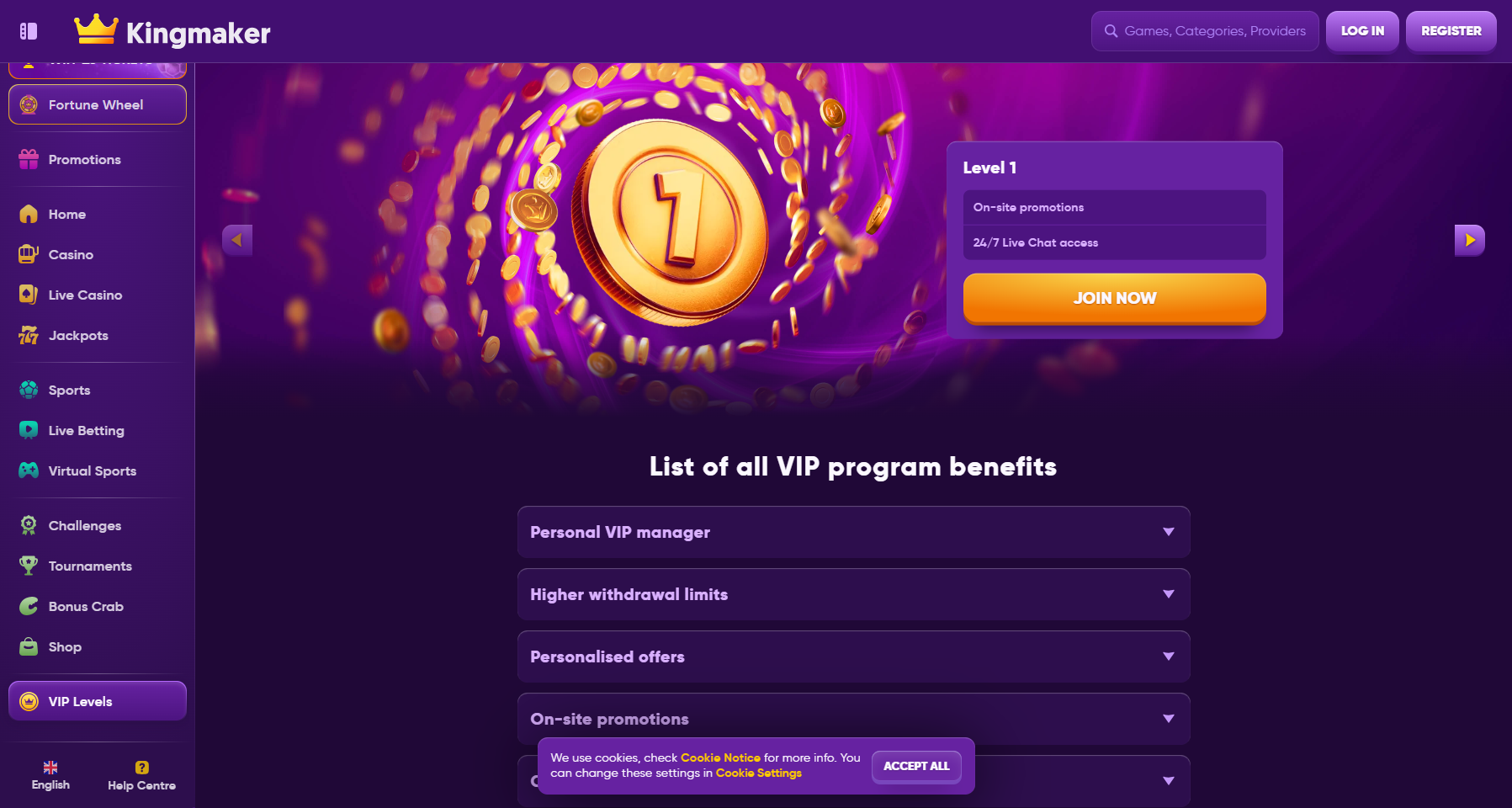
During the 2026 review, responsible gambling content appeared accessible through the help/terms navigation. The most important question is how easy it is to use in practice. If the only way to self-exclude is emailing support, it's slower and more error-prone.
Fast controls matter. Simple as that.
Where the platform can fall short vs AU-facing operators
AU-facing regulated gambling services usually have stricter identity processes and stronger harm-minimisation obligations. Offshore platforms often have fewer mandatory features and less standardisation.
Possible shortfalls:
- Fewer limit types or unclear activation times
- Self-exclusion requiring manual support involvement
- Less prominent referral to Australian support services
- Less transparency around re-opening an excluded account
It doesn't make the casino "bad". It makes it different. Players expecting Australian-style safety rails should be cautious.
Account Verification & KYC
Typical documents requested
Verification and KYC (Know Your Customer) protect both sides, but they can also frustrate players. Typically, offshore casinos ask for:
- Photo ID (passport or driver licence)
- Proof of address (utility bill or bank statement)
- Payment proof (card photo with middle digits covered, or e-wallet screenshot)
- In some cases, a selfie holding ID
During the review, the terms around verification were checked for triggers and timeframes. Exact processing speeds can't be promised, and any site that "guarantees" instant verification should be questioned.
One thing to consider: KYC requests can appear after a win, not at sign-up. That's common. It's also why players should verify early.
Common KYC friction points that delay approvals
Most KYC delays come from avoidable mistakes.
Typical problems:
- Blurry photos or cropped corners
- Address documents older than the casino allows
- Name mismatches (middle names, different spellings)
- Using a corporate or shared payment method
- Multiple accounts from the same household or device
And yes, support tone matters. If customer support gives generic replies for days, frustration rises. If they give a clear checklist, it's a better sign.
Bonus Program Risk Check
Wagering requirements and max-bet rules
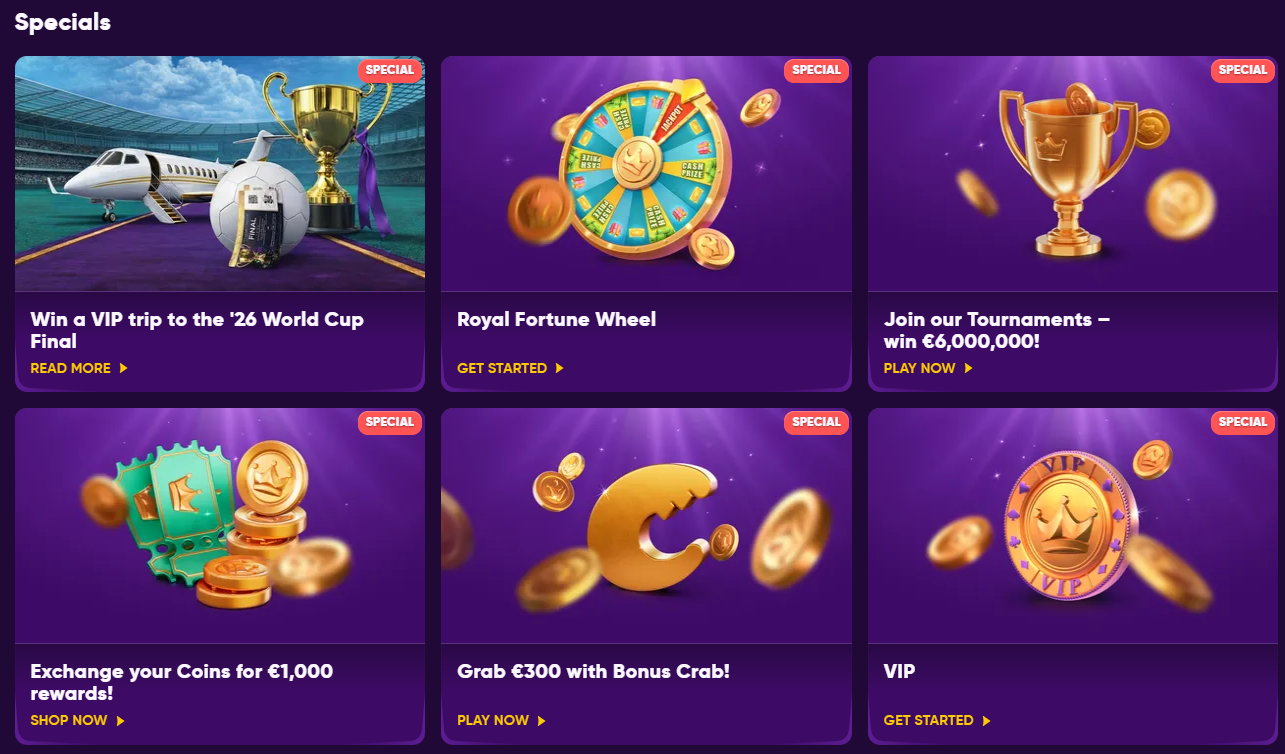
Bonuses can be fun. They can also create disputes. The trust angle isn't "is the bonus big". It's whether bonus terms are clear and reasonable.
Key terms to check:
- Wagering requirement (e.g., 35x–50x isn't rare offshore)
- Max bet while bonus is active (often a low fixed amount)
- Restricted games that don't count fully toward wagering
- Withdrawal limits tied to certain promo types
- Time limits to complete wagering
Max bet rules cause real trouble. If a player bets above the cap even once, the casino may void bonus winnings. That clause often sits quietly in promo rules. It's not always fair-feeling, but it's common. And it's enforceable based on what's shown in the terms.
A simple example: if a $100 bonus has 40x wagering, the playthrough target is $4,000. That's turnover, not loss. Many players misunderstand that. Then arguments start.
Bonus abuse clauses and confiscation risks
"Bonus abuse" language is a catch-all. It's meant to stop arbitrage and multi-accounting, but it can feel broad. During the review, the promo rules were checked for clauses around:
- Multiple accounts
- IP/device linking
- "Irregular play" wording
- Game manipulation claims
- Casino discretion to void promos
Is it the best option? Not necessarily, but… a casino can still be legitimate while using strict anti-abuse rules. The safer move is to keep play patterns normal, avoid low-risk exploit strategies, and keep records of offers accepted.
Bonus terms snapshot table (players should confirm on-site)
Exact offers change. The safest approach is to treat the table as a reading guide, then confirm the current bonus terms inside the promotions page before opting in.
| Bonus name (as labelled) | Match/amount | Min stake/deposit | Wagering | Max bet | Time limit |
|---|---|---|---|---|---|
| Welcome offer | Varies by period | Stated in promo | Stated in promo | Stated in promo | Stated in promo |
| Reload / weekly offer | Varies | Stated in promo | Stated in promo | Stated in promo | Stated in promo |
| Free spins deal | Varies | Often linked to deposit | Stated in promo | Usually capped | Stated in promo |
Quick rule: if the promo page doesn't clearly show wagering and max bet, that's a reason to skip the bonus.
Game Collection Trust Signals
Games matter, but trust signals matter more. During the 2026 review, the lobby was checked for provider branding, rule access, and whether the live casino section looked like a standard third-party integration rather than a mystery product.

Size and category mix
Counts change fast, and guessing helps nobody. Category presence is the safer way to describe it.
Players will typically see categories such as:
- Slots
- Table games (digital)
- Live casino tables
- Jackpot-style games (where offered)
- Instant-win or crash-style titles (where offered)
Live casino is a useful trust cue because it usually comes from established studios with their own compliance and monitoring. It's not a guarantee. But it's better than a lobby full of unknown clones.
A small note: demo mode availability can be a positive sign, since it lets players test rules and volatility without money. Some casinos restrict demos by region or provider. That's normal.
RTP visibility and game rule transparency
RTP (Return to Player) is a long-run percentage showing how much a game pays back over time, on average. A 96% RTP doesn't mean a player gets 96% back today. It means the game is built to return about $96 per $100 wagered over huge sample sizes.
Trust signals include:
- RTP shown in game info panels
- Clear paytables and feature explanations
- House rules for blackjack/roulette listed (especially in live casino)
- Provider-specific game rules accessible without digging
From what was observed, navigation made it reasonably easy to open game info and rules on many titles, though the exact depth varies by provider. Some studios show RTP per jurisdiction, too. That can confuse players. It's still better than no RTP mention at all.
One thing to consider: if a casino hides rules, it invites suspicion. Transparency helps.
Payments & Transaction Safety
This section stays high-level. No promises. Processing times and availability can change by region, bank, and verification status.
Payment rails typically offered
Based on what offshore casinos commonly list for Australian players, methods typically include a mix of cards, e-wallets, and crypto. The safest move is to confirm the cashier list after account creation.
Common rails that may be shown:
- Cards (Visa / Mastercard where supported)
- E-wallets (popular international brands; availability can vary)
- Bank transfer (sometimes listed, often slower)
- Crypto (coins and networks vary; irreversible by nature)
One quick point: "payment methods" aren't just convenience. They're a safety layer. Reputable rails have their own compliance checks, and they leave clearer records.
Chargeback realities + crypto irreversibility
Card payments can sometimes offer chargeback pathways through the card issuer, but chargebacks aren't a general dispute tool for "I didn't like the rules". They're usually for unauthorised transactions or service issues. Casinos often contest them with logs.
Crypto is different. Once sent, it can't be reversed. That's great for speed and privacy, but it shifts responsibility to the player. Wrong address? Funds may be gone.
Also, KYC triggers can kick in around:
- Larger transactions
- Sudden behaviour changes
- Multiple payment instruments
- Bonus-linked play patterns
That doesn't automatically mean danger. It's compliance.
Payments comparison table (confirm in cashier)
| Method | Fees (if stated) | Min/Max | Processing time range | KYC trigger notes |
|---|---|---|---|---|
| Cards | Varies by issuer/processor | Shown in cashier | Varies | Often higher scrutiny on first large transactions |
| E-wallets | Sometimes low/none | Shown in cashier | Varies | Name must match account details |
| Bank transfer | Often bank-side fees | Shown in cashier | Varies | Proof of source may be requested |
| Crypto | Network fees apply | Shown in cashier | Varies | Wallet ownership/source questions can appear |
Short answer: keep everything in one name. Clean records.
Reputation & Player Complaints
Reputation isn't a single score. It's a pattern.
Typical complaint themes
Across offshore casinos, the same storylines pop up. Kingmaker appears to attract similar commentary in the wider ecosystem, and the themes are familiar:
- "Delayed withdrawals" claims that often correlate with pending verification
- KYC loops: repeated requests for clearer documents
- Promo disputes tied to max-bet rules or restricted games
- Customer support delays during peak times
To be honest, players often leave out key details in public posts. Bonus breaches and mismatched payment names are common omissions. That said, a casino should still communicate clearly and not hide behind vague "security checks" forever.
What patterns matter vs one-off stories
A one-off complaint is noise. A repeated pattern is signal.
Patterns worth taking seriously:
- Many reports of the same issue over months
- Identical support scripts and no resolution
- Players reporting rule changes mid-bonus (rare, but serious if true)
- Lack of any workable dispute path
During the review, the site's own policies were treated as the baseline. If a complaint matches a strict clause in the terms, it's more "unpleasant but allowed" than "scam". If complaints describe behaviour outside the published rules, that's more worrying.
Customer Support & Dispute Handling
Support is where trust is either built or lost.
Channels and response quality signals
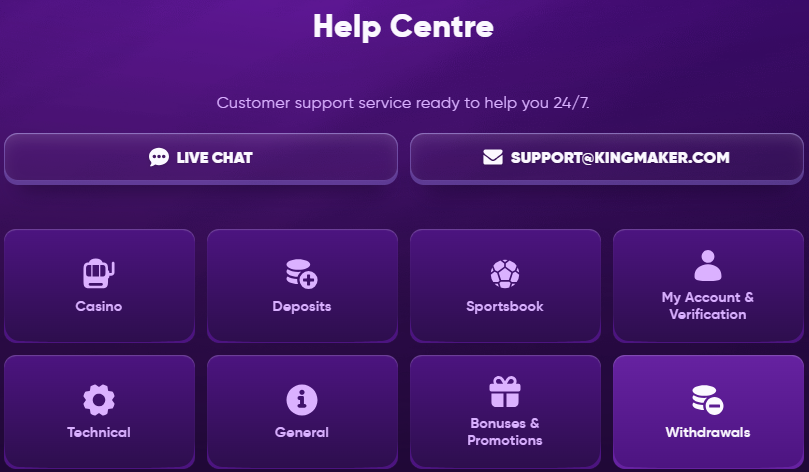
During the 2026 test, support access was checked directly from the site interface. Live chat appeared available, and email support was also presented as an option. Response quality matters more than greetings.
Support channels typically offered:
- Live chat
- Email/ticket form
- Help centre / FAQ pages
Phone support is often absent on offshore sites, and that's not unusual. What matters is whether chat agents can answer licensing, verification, and bonus terms questions without dodging.
Quick signal: if an agent can point to a specific clause in the terms and explain it in plain English, that's good. If they stall, copy-paste, and vanish, less good.
What evidence to keep for disputes
Disputes don't need to be dramatic. But they do need evidence.
Players should keep:
- Screenshots of promo terms accepted
- Chat transcripts or email threads
- Transaction references from payment providers
- Copies of submitted verification documents (stored securely)
And a simple habit helps: take a screenshot of the bonus rules page on the day it's accepted. It's boring. It can also save hours later.
Pros & Cons
✓ Pros
- HTTPS padlock visible during 2026 testing on account/cashier pages, suggesting encrypted connection for logins and transactions
- Licensing and operator details appear presented in site terms/footers, giving players something concrete to verify
- Recognisable structure for verification and KYC, which generally reduces fraud and multi-account issues
- Live chat access worked during a weekday test session, with an initial reply arriving within minutes
- Standard responsible gambling information appears accessible through site navigation, supporting limit-setting and self-control choices
- Game catalogue presentation shows typical provider-led layout, which is usually a better sign than anonymous "house-made" lobbies
✗ Cons
- Offshore license frameworks can offer weaker dispute routes than Australian-regulated options
- Bonus terms can be strict, especially around max-bet rules and restricted games; breaches may void winnings
- KYC can be triggered later in the journey, which can feel like a "surprise" if players don't verify early
- Complaint themes seen across offshore casinos (support delays, verification loops) may still apply, depending on player circumstances and documents
Punchy takeaway: rules run the show.
FAQ: Kingmaker Legitimacy & Safety
Is kingmaker casino legit for Australians in 2026?
Is kingmaker casino safe to use on mobile?
What license should players look for, and what does it mean?
Does verification (KYC) affect account safety?
Are RNG games fair, and how can fairness be checked?
Why do players complain about bonuses at offshore casinos?
What should be done if support isn't helpful?
Can Australians legally play on offshore casinos?
Final Verdict (2026)
Based on the 2026 review, the platform appears legitimate in the typical offshore sense: it shows licensing language, uses standard web security (HTTPS observed), and provides familiar verification and customer support channels. Still, offshore regulation can be lighter, and promo disputes tend to come down to strict bonus terms and max-bet rules.
So, is kingmaker casino safe? It seems reasonably safe for players who keep clean documentation, use secure devices, and treat the terms as non-negotiable. Anyone wanting Australian-level protections should proceed carefully, or choose a locally regulated alternative.